The Truth About The Black Cherry Wind Project
NDAs, concealed leases, hidden studies, foreign-backed ownership, NYISO routing (New York power market), long land lock, and pressure on our townships. We stand for transparency, local control, and common sense. Period.
Lack of Transparency
The Black Cherry Wind Project operates behind non-disclosure agreements, keeping critical details like lease terms and studies out of public view. If a project is truly “good for the community,” it should survive daylight.
Questions also surround land deals and financing tied to this project. Lyme Timber obtained PennVEST financing that has been publicly debated in Pennsylvania as an unusual use of a program many residents associate with municipal water and wastewater projects. We believe these transactions deserve full public scrutiny and plain-English explanations.
For a detailed chronological breakdown of land deals, interconnection filings, and community response, see our History Timeline.
Aviation & Safety — MET Towers And Low-Level Airspace
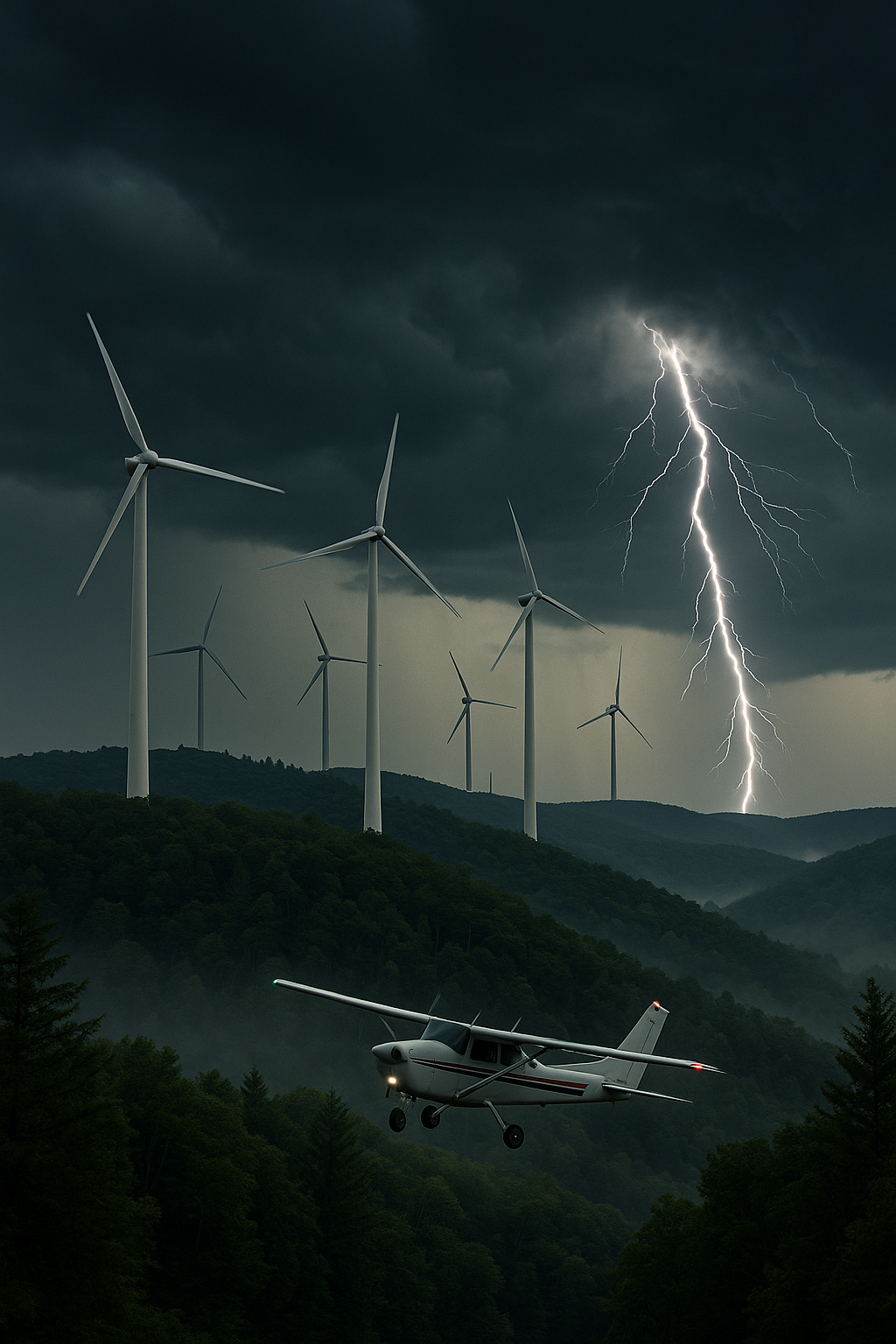
Residents flagged attempts to slide MET tower applications through with minimal public notice. For a project that can affect low-level flight training in areas like the Duke MOA, that lack of daylight is unacceptable. We expect complete transparency regarding airspace, radar, and safety implications.
Where the Power Really Goes — New York, Not McKean County
Despite glossy marketing about “local benefits,” public queue references show Black Cherry Wind is designed to feed the New York Independent System Operator (NYISO) market. In plain English: electricity is sold into the NY market, not promised to McKean County homes or businesses.
Known queue filings (NYISO interconnection):
- • Black Cherry Wind 1 — NYISO Queue ID: C24-298 (~350 MW Wind) — Proposed completion: November 30, 2029
- • Black Cherry Wind 2 — NYISO Queue ID: 1648 (150–200 MW Wind) — Withdrawn / Reconfigured
- • Black Cherry BESS — 400 MW Battery Storage — Proposed in-service: May 2029
If this was really “for McKean County,” the interconnection would be structured around Pennsylvania’s regional grid and local load needs, not the NYISO market.
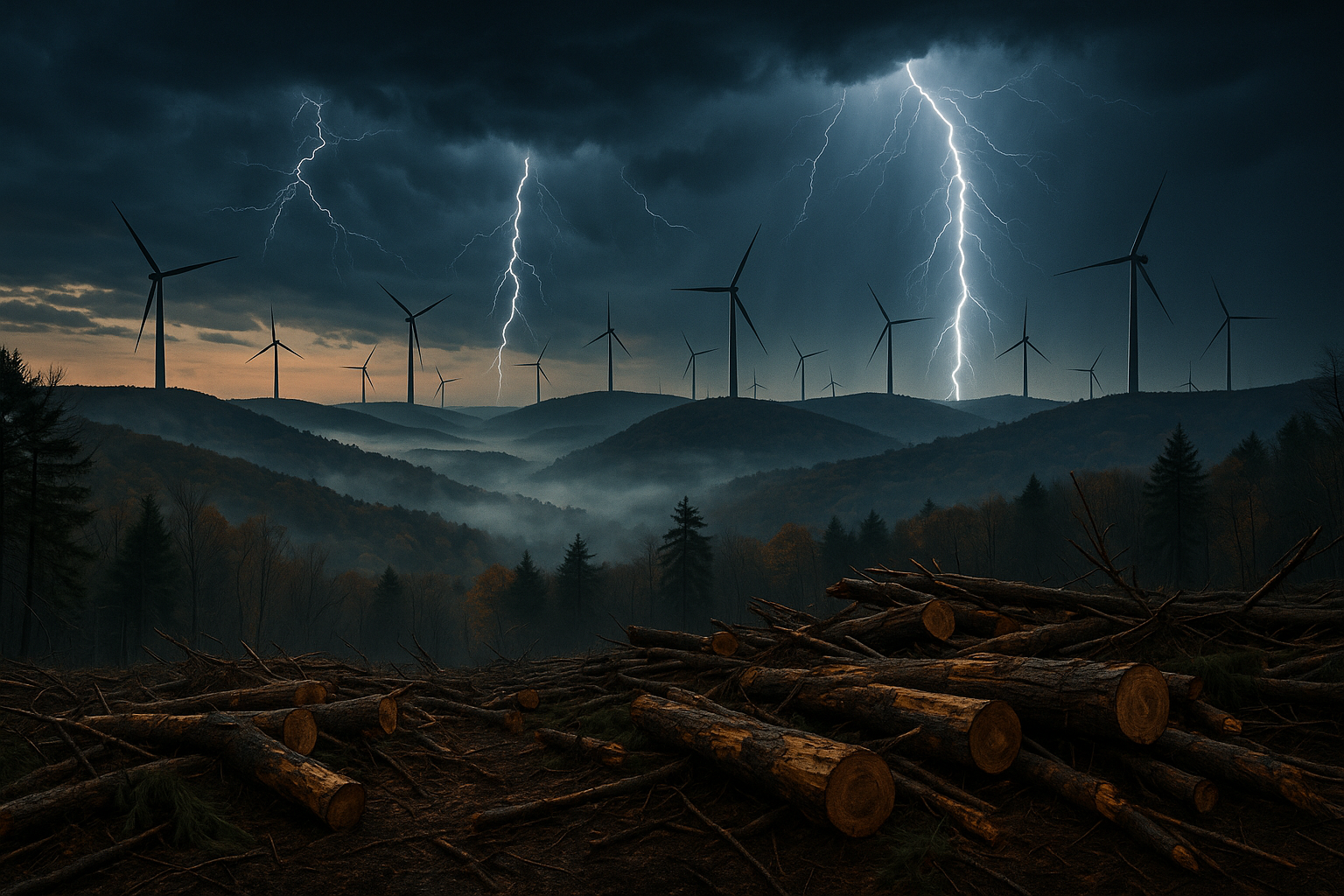
The bottom line: McKean County absorbs the turbines, blasting, leases, noise, and environmental risk. The energy sale and the revenue are structured to flow outward.
Leases That Lock Land For Decades
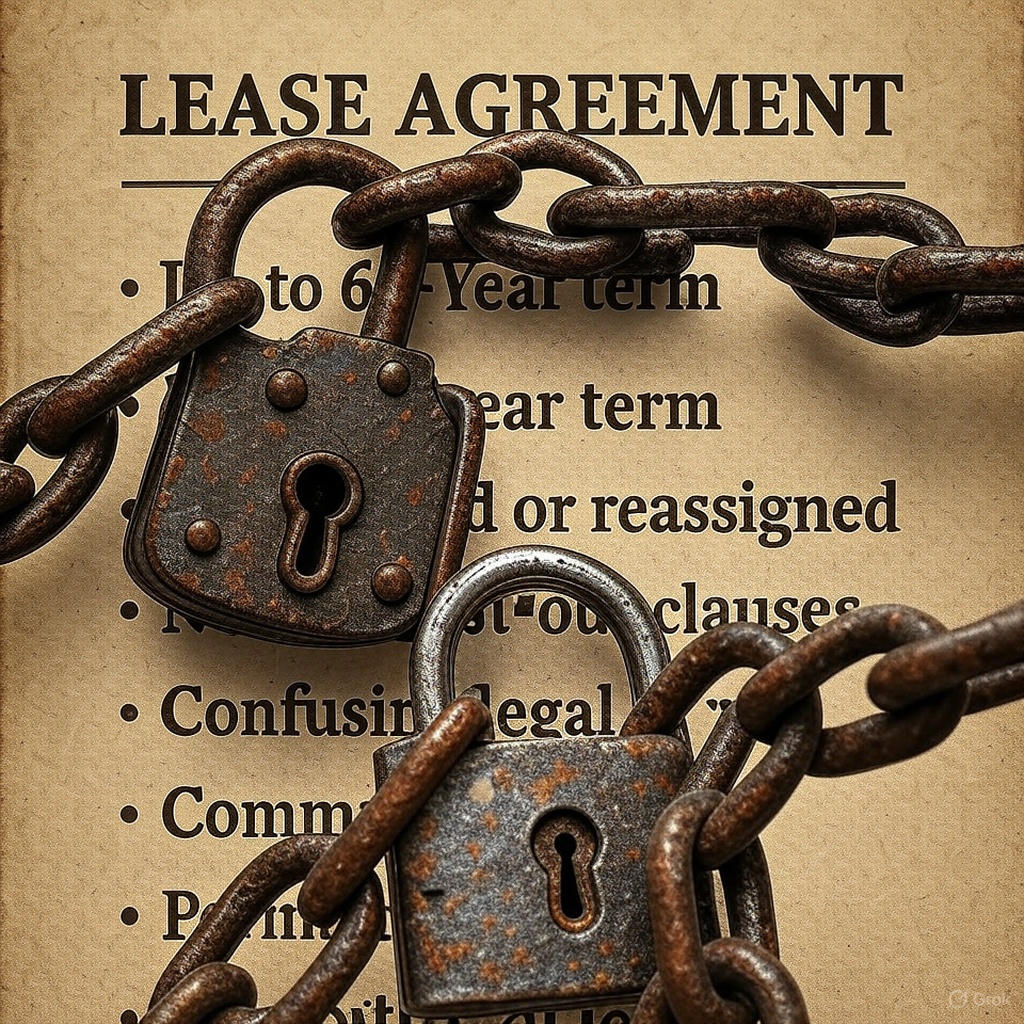
Lease language can stack options and extensions approaching multi-decade terms, and can be assigned or sold to other entities. That’s long-term control of ridgelines while locals live with the consequences. If this is truly good for us, put every clause in daylight.
Who’s Really In Charge?
Swift Current Energy is backed by large infrastructure investment capital. Company and deal announcements describe Swift Current Energy as majority-owned by funds managed by IFM Investors, with other ownership references involving Lookout Ridge Energy Partners. That means rural townships can end up negotiating against a global finance stack with deep legal resources and a long-term asset strategy.
In plain terms: McKean County bears the risk and the footprint. The profit model is designed for outside investors. If developers want trust, the ownership, decision-makers, and exit strategy should be explained clearly to the public.
Water, Health, And Environmental Risks
Deep foundations, blasting, and heavy construction can threaten wells and springs. Many draft terms do not guarantee potable water replacement if a source is impacted. That is unacceptable.
Decommissioning isn’t as rosy as advertised. In many places, foundations are removed only a few feet below grade, leaving massive concrete in the ground. We demand full-depth removal (or a genuine engineered equivalent), inflation-indexed bonding, and third-party cost review.
Daily Complaints People Report About Industrial Wind
Noise & Sleep Disruption
“Whoosh” / “thump,” tonal hums, and low-frequency noise that carry at night. Residents report lost sleep and daily fatigue.
Shadow Flicker & Night Beacons
Strobe-like blade flicker in mornings/evenings and constant red lights that change dark rural skies.
Skyline & Visual Impact
Ridge-top turbines dominate viewsheds and alter community character and property enjoyment.
Wildlife Mortality
Bird and bat kills. Curtailment reduces totals but doesn’t eliminate ongoing daily impacts.
Ice Throw & Blade Failure Risk
Icing and mechanical failures create hazards for roads, trails, and work areas. Real setbacks are required.
Road Damage & Heavy Trucking
Oversize loads, cranes, concrete trucks, and escorts beat up township roads and drive dust into homes.
Property Value Concerns
Noise, lighting, and altered viewsheds turn buyers away and chill local real-estate markets.
Access Restrictions
Gates/closures block familiar woods roads, hunting spots, and recreation areas residents used for decades.
Fire, Oil & Transformer Issues
Equipment failures, leaks, and fires require specialized response often far from rural resources.
Decommissioning Burden
Ownership flips and thin bonds risk sticking towns with removal costs decades later.
Infrasound & Pressure Sensations
Some neighbors report ear pressure, headaches, or nausea correlated with certain wind directions.
TV/Radio/Cell Interference
Signal reflection and obstruction create weak or inconsistent reception near turbine strings.
Drainage, Silt & Runoff
Cut/fill on ridgelines sends sediment into ditches, culverts, springs, and trout streams after heavy rains.
Constant Maintenance Traffic
Crews, pickups, and service cranes show up regularly. Noise and road wear don’t end after construction.
Loss of Dark-Sky Quality
Night beacons and substation glow ruin stargazing and rural quiet that draw people here.
Hunting & Recreation Conflicts
Construction seasons, blasting, and setbacks push patterns and limit traditional use.
Pressure On Local Ordinances
When rural townships try to adopt stronger rules on height, setbacks, or noise, large wind developers often push back. Residents see legal threats and closed-door “benefits” discussions as tactics to weaken local protections.
Legal Threats
Developers may claim townships could be sued if ordinances are “too strict.” That pressure belongs in public records, not back channels.
Benefit Offers
Residents argue “community benefit” offers should be published in full, in advance, and never tied to votes.
Fragmented Filings
Submitting MET towers separately from turbine filings makes it harder for residents to see the full scope at once.
Transparency Concerns
Residents want lease terms, decommissioning bonds, blasting studies, and water guarantees before approvals.
Bottom line: Townships have the legal right to set standards that protect health, safety, and property values. Developers are free to meet those standards. They are not entitled to rewrite them.
FAQ — Black Cherry Wind (Smethport, McKean County)
What do wind turbines sound like?
Industrial wind turbines are not silent. Depending on wind direction, humidity, and terrain, neighbors report a constant “whoosh/thump,” low-frequency hum, and tonal noises that carry, especially at night. Many people describe sleep disruption and daytime fatigue from the repetitive character of the sound. Put on headphones or turn your volume up to hear the full range.
Tip: Noise often travels farther downwind and during stable nighttime conditions. That’s when families report the worst sleep impacts.
Do wind turbines catch on fire?
Yes. Turbine fires can be caused by gearbox failures, overheated brakes, lightning strikes, or electrical malfunctions in the nacelle. Once ignited, turbine fires are extremely difficult for rural crews to extinguish due to their height.
Once a turbine fire starts, local responders often can only secure the area and let it burn. Debris and contamination risk remain local.
Military training airspace (Duke MOA) and turbine conflicts
McKean County sits under the Duke Military Operations Area (MOA), where low-level training occurs. In September 2025, an Executive Order restored “Department of War” as a secondary title used by the Department of Defense in official communications, but a permanent rename would still require Congress. The key point for us is unchanged: low-level training corridors and radar considerations deserve full transparency before ridgelines are industrialized.
Bottom line: if turbines are proposed near training airspace, the public deserves clear, complete, on-the-record answers.
Storms, lightning & extreme weather
Turbines have control systems designed for high winds, but real storms still bring risk: lightning strikes, erosion, and ice accretion with ice throw. In forested terrain, access for safe shutdown and response is harder.
Bottom line: the control systems are real. So are the risks and the maintenance burden in harsh weather.
Is the power staying in McKean County?
No. Public filings show the project is built to connect into the New York ISO (NYISO) power market. That means electricity is sold in New York, not guaranteed to homes here. McKean County absorbs the turbines, blasting, and road use, while the power and profits flow out of state.
Swift Current Energy has highlighted this export model on other Pennsylvania projects structured to serve New York load. The pattern is consistent: build here, export there.
Take Action — One Stop
Generate Your Letter
Oppose the Black Cherry Wind Project. Call out foreign-backed ownership, NYISO market benefit, long leases, and risks to residents, wildlife, water, and ridgelines. Enter your name, pick a recipient, copy, and send.
Sign the Petition
Join over 1,400 residents standing against the Black Cherry Wind Project. One minute to sign. Big impact together.
Sign the PetitionTransparency Disclaimer
We promote transparency, not accusation. If any item is shown to be inaccurate via credible public records or filings, we will promptly update it. Our goal is informed public debate, lawful local control, and full disclosure.